


Let’s be real—most of us wouldn’t touch a half-eaten plate of char kway teow left behind by a stranger. But what if I told you there’s a small, quiet phenomenon happening in parts of Singapore’s bustling Chinatown where some people do precisely that… and not for the shock value?
Chinatown hawker leftover consumption isn’t just a quirky behavior or something to scoff at. It’s a layered issue packed with questions about food waste, poverty, dignity, and (yeah, let’s say it) survival.
Hawker Centers: More Than Just Food Courts
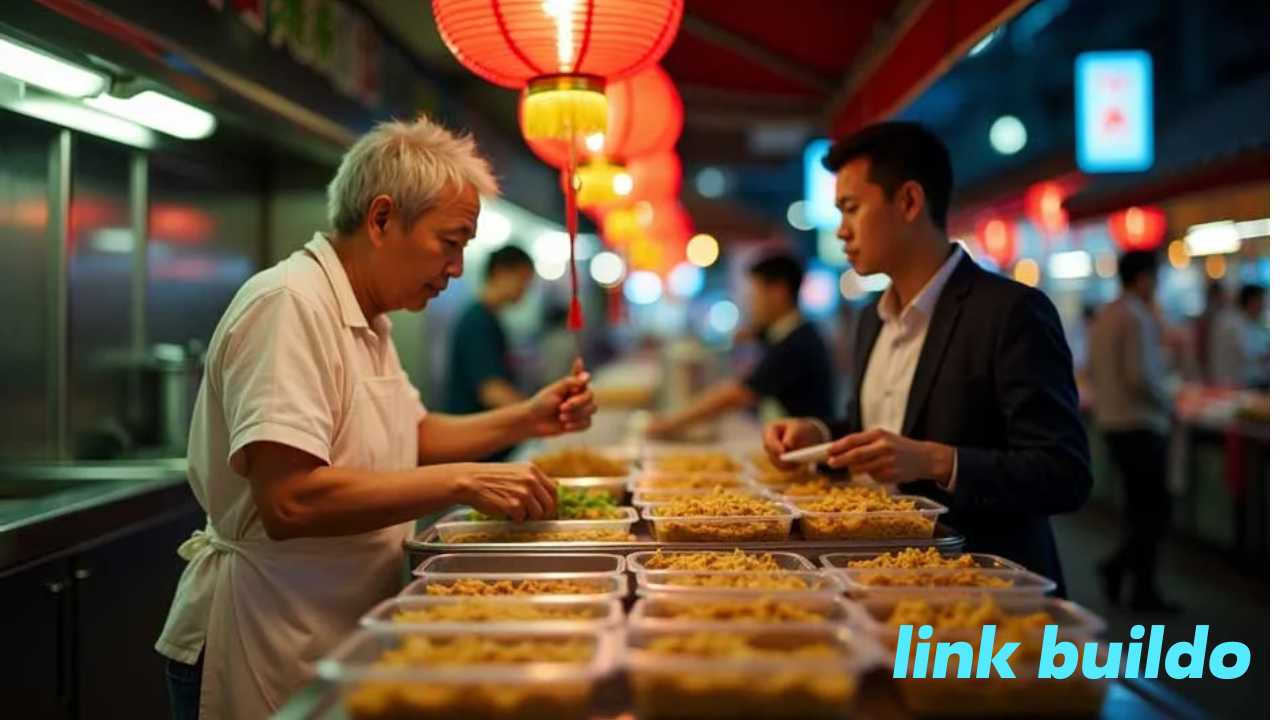
You know those tightly packed tables, plastic trays, the clinking of utensils, and the warm, oily aroma of stir-fried heaven? That’s the unmistakable vibe of a hawker center. And Chinatown is one of the busiest.
These food courts are cultural institutions. It is a melting pot of sizzling satay, buttery Prata, and steamy laksa served fast, cheap, and loud. They’re where uncles nurse their kopi o and teens slurp noodles under humming fluorescent lights.
But behind that vibrant chaos? A quieter reality unfolds.
So, What Exactly Is Leftover Consumption?
Let’s break it down. Chinatown hawker leftovers consumption is the act of eating food that’s been left behind at hawker centers—often by strangers.
Sometimes, it’s a few uneaten dumplings, a near-full bowl of soup, or that lonely chicken wing sitting untouched. It’s not stolen, and it’s not bought—it’s… claimed.
And while most of us might wince at the thought, some folks see it as an opportunity. Not out of choice, mind you, but necessity.
Why Would Anyone Eat Someone Else’s Leftovers?
The simple answer is hunger doesn’t wait for a paycheck.
Think of the older man living alone on meager welfare. Or the cleaner whose lunch break means one cheap coffee and a prayer. For them, leftover consumption isn’t a stunt—it’s sustenance.
And if you’re shaking your head right now, wondering how this can happen in a country as wealthy as Singapore,… so are many people.
The truth? Poverty exists here, too. Quietly. Invisibly.
Food Waste vs. Food Shame
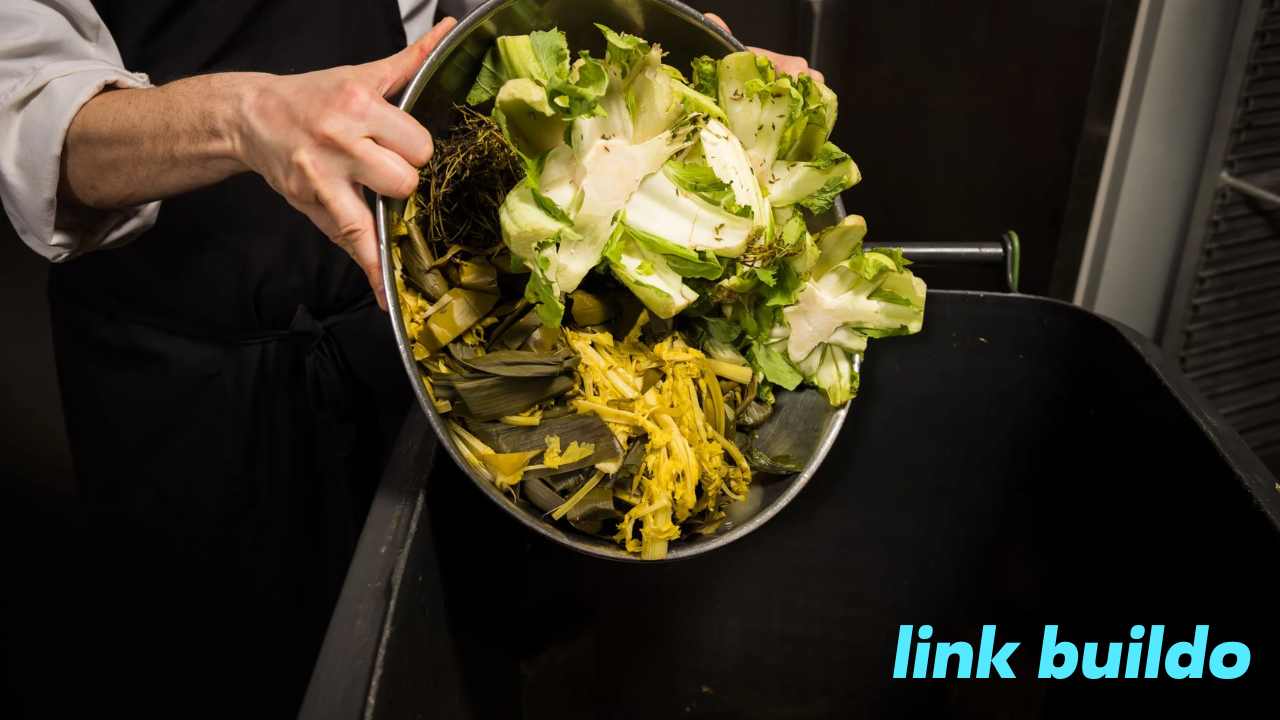
Here’s the thing: Singapore wastes tons of food. In 2022 alone, the country tossed out more than 800,000 tonnes of it. That’s not just leftovers—edible, untouched, delicious food.
Imagine someone stepping in to “rescue” that uneaten nasi lemak before it hits the trash. Is that gross… or noble?
Some see it as practical. Others? They recoil.
But why? Why is eating food from a buffet less shameful than grabbing a stranger’s leftover rice? The source? The setting? The social rules?
The line between “recycling” and “revolting” is thinner than you think.
A Story from Table 32
A few months ago, I was having lunch in Chinatown—a typical Thursday. I ordered duck rice, sat at a shared table, and mindlessly scrolled through my phone.
Across from me, a man—probably in his sixties—slid into the seat after someone left. He didn’t order anything. He quietly pulled the half-finished bowl of noodles toward himself, picked up the spoon, and ate.
He didn’t make eye contact. Didn’t rush. I just… ate.
No drama. No apology.
I didn’t say anything, not out of fear but because I didn’t know what to say.
That moment stuck with me, not because of what he did, but because of how normal he made it look.
The Unseen Network
Here’s something fascinating: There’s an almost unspoken rhythm to how leftovers are “claimed.”
Some folks hang around hawker centers during peak hours—not begging, not stealing—just waiting. Watching.
They know which stalls serve the significant portions. Which tables get cleared slowly. Tourists over-order.
And there’s even etiquette.
They won’t touch food that’s visibly eaten. They prefer dishes that look “clean”—like untouched rice or sides that haven’t been poked. Some carry plastic spoons. Others bring tissue.
It’s not random. It’s a system.
Ethics, Health, and That Nagging Guilt
Let’s talk about risk.
Yes, there’s a hygiene concern. You don’t know who ate what—germs, contamination, etc. Health authorities don’t encourage it for good reason.
But here’s the twist: many who engage in Chinatown hawker leftover consumption know the risks. They weigh them. Hunger wins.
For the rest of us, the guilt creeps in. Should we be doing more to help? Should hawker centers offer a “share fridge”? Should untouched food be boxed and donated?
We’re all part of this system—either by eating, watching, or ignoring.
The Social Stigma Is Real
One of the saddest parts? The shame.
People who consume leftovers are often judged, whispered about, or just… pitied. And no one wants to be pitied.
Which is why so many do it quietly. They’re not scavengers. They’re not lazy. They’re surviving in the only way they know how.
It’s heartbreaking, yes. But it’s also a reminder of how far empathy can go, especially in a society where appearance matters.
Can (or Should) We Normalize It?
Now, I’m not saying we should all start eating stranger-left rice. But maybe we can rethink how we view food waste… and the people who try to minimize it in their way.
What if hawker centers had “leftover counters” for untouched food? Or donation stations? What if people didn’t flinch when they saw someone do it?
Not all solutions need to be glamorous. Sometimes, dignity starts with a meal—not being judged for how you got it.
One Man’s Leftover, Another Man’s Lifeline
Chinatown hawker leftover consumption isn’t about food.
It’s about survival. It’s about human stories. It’s about people’s quiet decisions when society isn’t watching—or caring.
You don’t have to agree with it. You don’t have to do it.
But consider what it might mean to someone else next time you leave that plate behind.
And who knows? That untouched spring roll might be someone’s only meal of the day.
conclusion
Chinatown hawker excess consumption isn’t just around meals—survival, grace, and the soft stories we often forget. It’s easy to think from the outside, but when you sit with it—actually sit with it—you begin to recognize that after every half-eaten plate is someone just attempting to get by.
We live on a planet obsessed with comfort and much, yet many still go hungry. Perhaps it’s time we stop hanging our leaders and start spreading our eyes.
No, this isn’t about urging everyone to eat aliens’ leftovers. It’s almost questioning our biases, reviewing waste, and recognizing that the most critical impact occasionally begins with the last act of kindness.
So wait for a double the following time you’re at a hawker center. Someone nearby might not be examining for food—they power look for a bit of grace.
FAQs
Is excess consumption of Chinatown hawkers permitted in Singapore?
Technically, it’s not unfair—but it does pose a grey area. Leaders don’t encourage it due to hygiene risks, but no law outright prohibits it.
Is eating somebody else’s pieces at a hawker safe?
Health-wise, it’s risky. You can’t ensure food hasn’t been infected or left out too long. For some, the risk exists, and it is overshadowed by hunger.
Why don’t hawker seats offer spare collection or assistance?
Logistics and weakness are the most important barriers. Worries about food security and who’s reliable make it hard to establish legal systems.
Are there social services to help individuals in these cases?
Yes, Singapore has aid schedules for low-income and senior people, but not everyone trains, and some fall via the gaps.
How can I support reducing meal waste or helping those in demand?
You can contribute to food recovery charities, fund industries like food fridges, or even pack your pieces and offer them to somebody whose power requires them.

